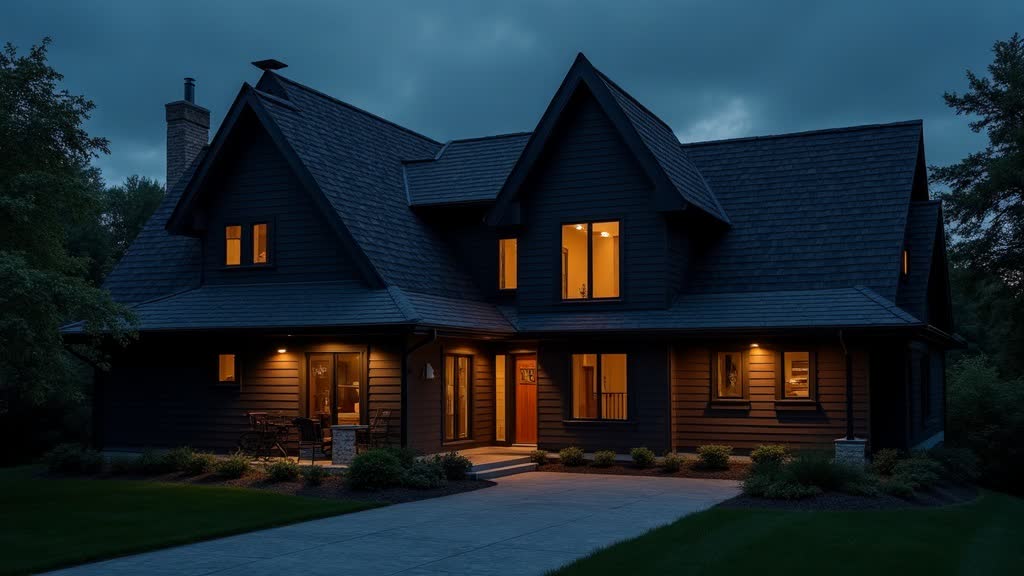
Flat Roof Repair in Clearwater, FL:
Low-Slope Roofs That Drain and Stay Dry.
Flat roof repair in Clearwater for the low-slope parts of a house, from a 1950s carport or Florida room to a modern addition. We find where water sits or gets in, fix the membrane and the edges, and tie the flat section properly into the rest of the roof.
Takes about 30 seconds. A local roofing specialist follows up the same business day.
Where Clearwater Homes Have Flat Roofs
Most Clearwater houses have a pitched main roof, but many have a flat or low-slope section somewhere. On homes from the 1940s and 1950s near downtown and along the bay, it’s often a carport, a Florida room or a back porch that was roofed flat. On 1970s and 1980s houses in Countryside and the east side, it’s usually an addition or a screened porch tied into the main roof. Some mid-century homes have large low-slope areas as part of the original design.
These sections drain slowly, sit in the sun all day, and have joints where they meet walls and other roofs. That’s why they tend to leak before the rest of the house does.
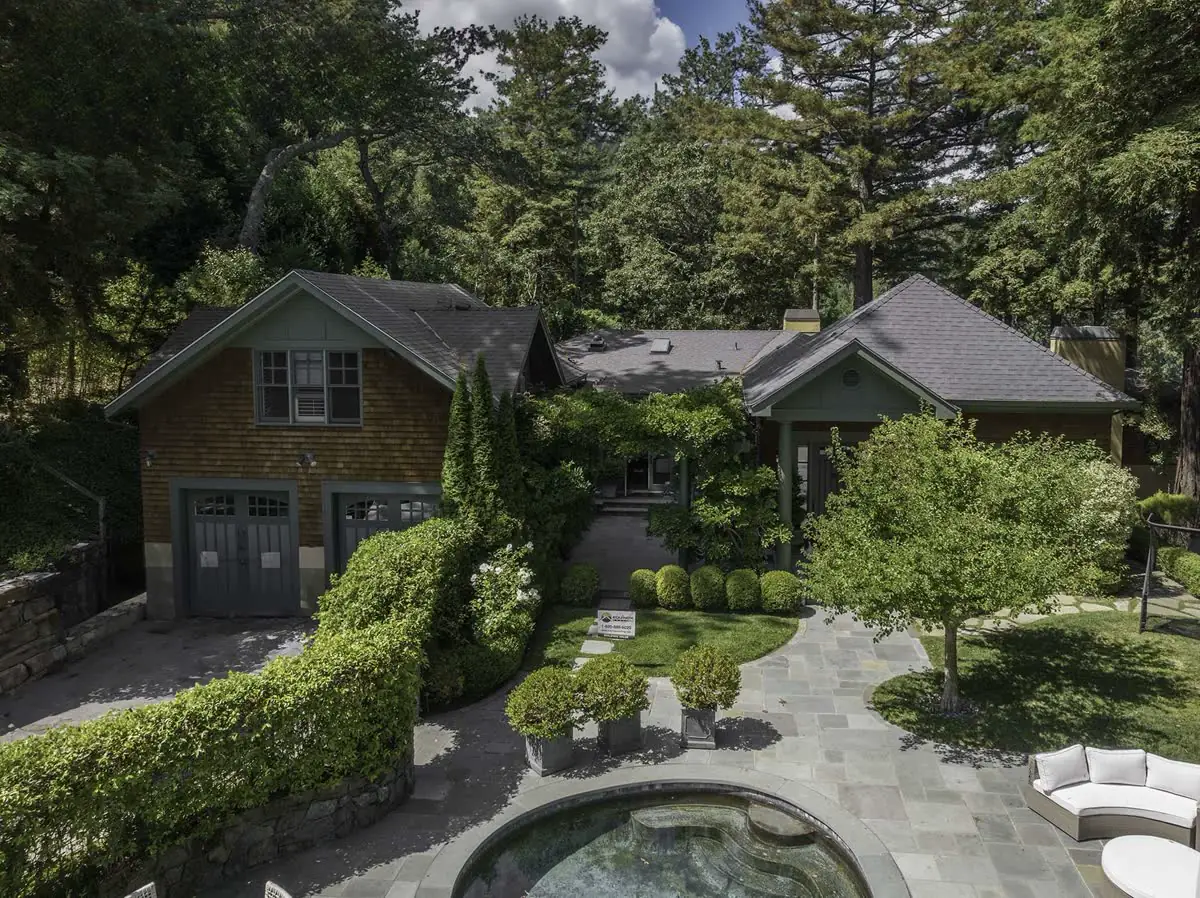
Ponding, Blisters and Other Warning Signs
Flat roofs give some clear signals when they’re in trouble:
- Ponding. Water still standing about two days after rain. It speeds up wear and adds weight the structure wasn’t built to carry.
- Blisters. Bubbles in the surface where moisture is trapped underneath.
- Open seams and edges. The joints and the perimeter are the first places a membrane lets go.
- Leaks along the wall. Where the flat roof meets the house, the flashing has to turn up the wall and stay sealed for years in the sun.
Flat Roof Repair in Clearwater Starts at the Tie-In
The most common flat roof leak we see in Clearwater isn’t in the middle of the flat section. It’s at the tie-in, where the low-slope roof meets the main pitched roof or the wall of the house. Water from the big roof runs down onto the flat one, and if the transition wasn’t flashed and sealed properly, that’s where it gets in.
So a flat roof repair starts with the edges and the transition, not just patching the spot that’s wet. We check the drainage too: if water can’t get off the roof, any repair is fighting the same problem every time it rains.
- The tie-in Where the flat section meets the main roof, the classic leak point
- Ponding water Low spots hold water after a storm and wear the membrane out early
- The edge and drain Water has to reach the gutter or drain, or it backs up
Flat Roof Repair or Replace?
A single damaged area or one open seam on a membrane that’s otherwise in good shape is a repair. But if the insulation or decking underneath has gotten wet, if blisters are spreading across the surface, or if leaks keep showing up in different places, a new flat roof is usually the better use of money.
A new flat roof starts with the old one removed down to the deck. Wet or rotted decking is replaced, the slope and drainage are corrected where possible, and a membrane made for low slopes goes on, with the edges and wall flashing done properly. Shingles never go on a flat roof, because they need slope to shed water.
If the main roof is also near the end of its life, replacing both at once is often the smart move. The transition between them is much easier to get right when both sides are new, and you deal with one permit and one project instead of two.
Repair or Replace a Flat Roof
- Repair
- A damaged area or a seam on a membrane that's otherwise sound
- Replace
- Wet insulation or decking, widespread blistering, or leaks in several places
- Do both roofs together
- Often the best time to redo a flat section is with the main roof
Getting Water Off a Flat Roof
The biggest enemy of a flat roof is water that stays. On a roof with almost no slope, a small sag in the deck, a gutter that’s too high or a drain clogged with leaves can leave a puddle for days after every storm. Clearwater’s summer pattern makes it worse: heavy rain most afternoons means a ponded roof rarely gets a chance to dry out.
Fixing a flat roof for good often means fixing the drainage as well as the surface. Low spots in the deck can be built up, and tapered insulation can add slope where the structure allows it. Edges and gutters can be set so water flows off instead of backing up against them. Where a flat section drains onto a walkway or against the house, the drainage can be redirected.
On older Clearwater homes, a flat carport or Florida room roof may have been patched so many times that the surface itself traps water. Taking those layers off and starting from a clean deck is often what finally stops the ponding. We photograph the roof after a rain where we can, because where the water sits tells you more than anything else about how the roof should be rebuilt.
- The tie-in Where the flat section meets the main roof, the classic leak point
- Ponding water Low spots hold water after a storm and wear the membrane out early
- The edge and drain Water has to reach the gutter or drain, or it backs up
Permits for Flat Roof Work
The City of Clearwater exempts only very small leak repairs under $500 from permits. Most flat roof work needs one, and we pull it in our name from the city or from Pinellas County, depending on where your address falls.
Who Permits Flat Roof Work
- Small leak repair under $500
- No permit, per the City of Clearwater
- Inside city limits
- City of Clearwater Planning & Development
- Clearwater address outside city limits
- Pinellas County
- Who files it
- We do, in our name
How Flat Roof Repair in Clearwater Works with Us
- 01
Send Your Address
We measure the whole roof, flat and pitched sections, from high-resolution imagery.
- 02
Free Inspection
Drainage, seams, edges and the tie-in checked and photographed.
- 03
Repair or Replace
Quoted honestly and signed from your phone.
- 04
Done Right
Permit closed out, photos of the finished work in your portal, and a 15-year workmanship warranty in writing on a new roof.
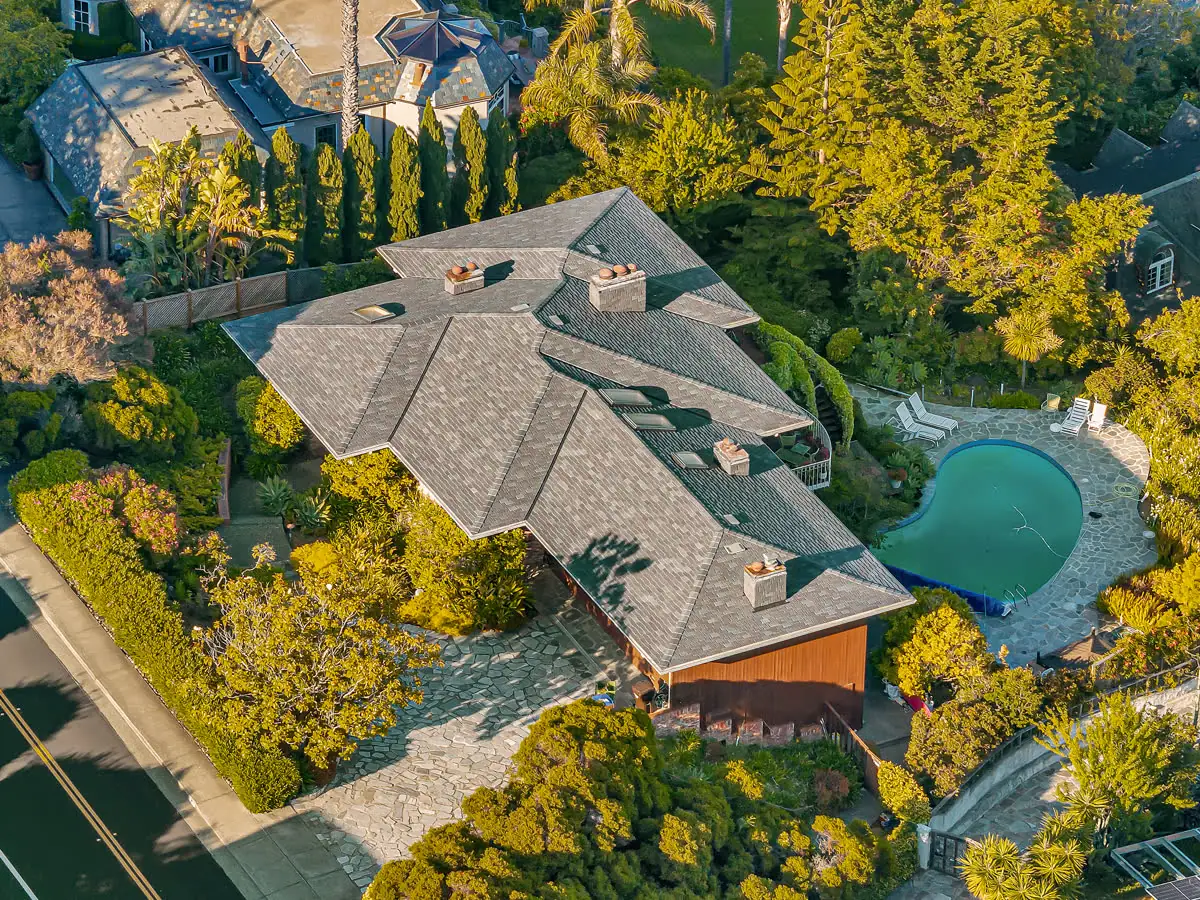
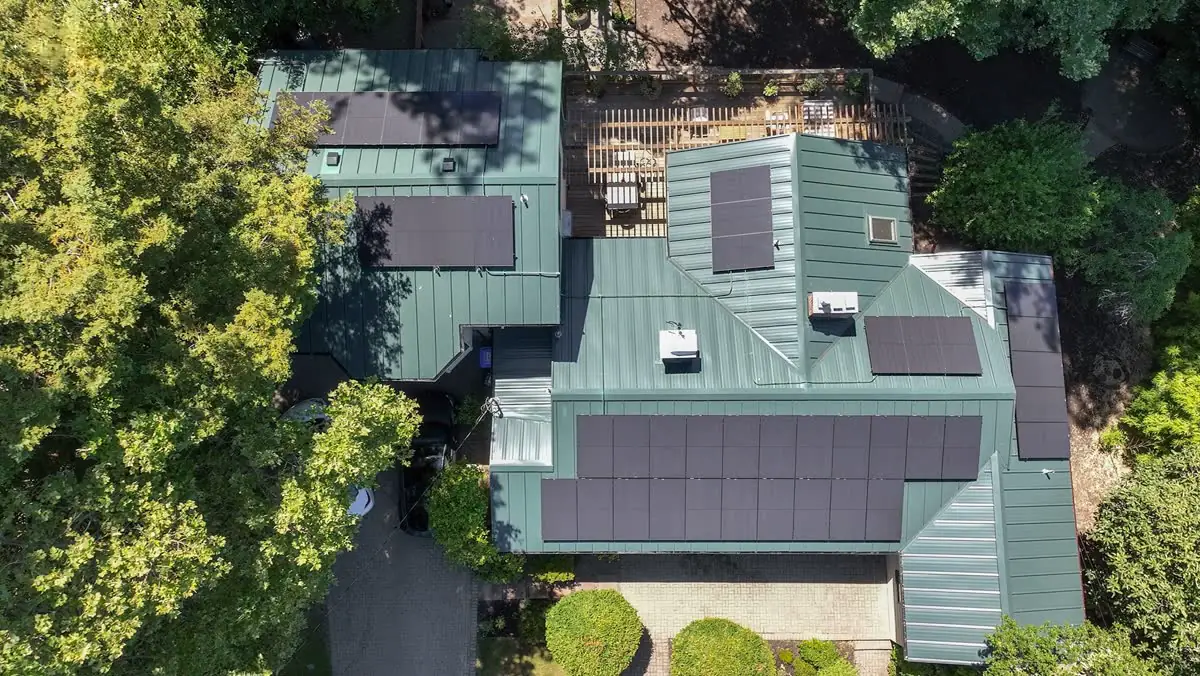
Roofs We're Proud Of

Year workmanship warranty in writing, and it comes on top of the manufacturer's warranty for your materials.
We file every permit and build to the Florida Building Code. You don't fill out a single form.
We haul away the old roof and run a magnetic sweep for nails, so the yard looks the way it did before we came.
Florida certified roofing contractor CCC1336568, carrying liability insurance and workers' comp.
Monthly payment options, so you can replace the roof now and pay over time.
Flat Roof Questions from Clearwater Homeowners
Why Does My Porch Roof Leak When the Rest of the Roof Is Fine?
Flat and low-slope sections drain slowly, so any open seam or worn spot gets more water and gets it for longer. The joint where the porch roof meets the wall or the main roof is the most common culprit.
Is Standing Water on My Flat Roof Normal?
A little right after a storm is normal. Water still sitting there about two days later means the roof isn't draining properly, and that ponding wears out the membrane faster and adds weight.
What Material Goes on a Flat Roof?
A membrane made for low slopes, never shingles. Shingles need slope to shed water, so on a flat roof they leak. Your quote says which membrane fits the roof and why.
My House Is from the 1950s with a Flat Carport Roof. Can It Be Saved?
Usually. If the decking under it is sound, a new membrane with proper edges and drainage brings it back. If the decking has been wet for years, those sections get replaced first.
Can You Do the Flat Section and the Main Roof at the Same Time?
Yes, and it's often the smartest time. The transition between them is easier to get right when both sides are new.
Do Flat Roof Repairs Need a Permit in Clearwater?
The city exempts only very small leak repairs under $500. Larger work needs a permit, which we pull from the City of Clearwater or Pinellas County, depending on where your address falls.

Get Your Clearwater Roof Measured, Free.
Enter your address. We'll handle everything else.