
Roof Leak Repair in Clearwater:
Traced Uphill, Fixed Where It Starts.
Roof leak repair in Clearwater for leaks that show up in summer storms, after a hurricane or out of nowhere on a dry day. We follow the water back to where it gets in, fix that spot, and send you photos of both.
Takes about 30 seconds. A local roofing specialist follows up the same business day.
Wind-Driven Rain and Clearwater Roof Leaks
Clearwater gets about 54 inches of rain in a normal year, and most of it falls from June through September in short, hard storms. What makes those storms tough on a roof isn’t the amount of water. It’s the wind behind it. Near the Gulf and Clearwater Harbor, rain often hits the roof at an angle and gets pushed uphill, under shingle edges and behind flashing that would stay dry in a calm rain.
That’s why a lot of Clearwater leaks only show up in certain storms. The roof is fine most of the time, then a strong westerly blows in and a stain appears on the side of the house facing the water. When a homeowner tells us “it only leaks sometimes,” wind direction is the first thing we ask about.
Where Clearwater Roofs Leak
After enough leak calls, the same places come up again and again:
- Pipe boots. The rubber seals around plumbing vents crack in the sun, often years before the shingles are worn.
- Wall and chimney flashing. On older homes near downtown and Harbor Oaks, this metal has often been coated with sealant for decades instead of being replaced.
- Valleys. Where two slopes meet, a lot of water moves through a narrow channel, and any gap there leaks fast.
- Roof-to-roof joints. Additions and porches tied into the main roof are a common source on 1970s and 1980s homes.
- Corroded fasteners near the water. On Clearwater Beach, Island Estates and Sand Key, rusted nails and trim let water in around them.
- Pipe boots The rubber collar cracks in the sun
- Wall and chimney flashing Lifts or loses its sealant
- Valleys Two roof planes drain through one channel
- Lifted shingles Storm gusts break the seal strip
- Skylights and vents Seals age out around the edges
- Flat-to-pitched seams Where a porch or addition ties in
Roof Leak Repair in Clearwater Means Finding the Entry Point
A stain on the ceiling marks where water came out, not where it went in. Water that gets through the roof runs along the underlayment, the decking or a rafter, sometimes for several feet, before it drips. Patch the roof right above the stain and the leak often comes back with the next storm.
So we work backward. Your roof is measured from high-resolution imagery before we come out. On site, we check the attic for water trails on the decking and framing, then go up and work uphill from the stain: pipe boots, vents, flashing, valleys and any spot where two roof sections meet. When we find the entry point, we photograph it before anything is fixed, so you can see it for yourself.
Leaks on Tile, Metal and Flat Roofs
Shingle roofs get most of the attention, but every roof type in Clearwater leaks in its own way.
On tile roofs, the tile often looks perfect while the underlayment beneath it has worn out. Water that slips between tiles reaches the deck, and the fix is usually lifting the tile in that section, replacing the underlayment and resetting the tile.
On metal roofs, leaks tend to come from fasteners and trim, especially on screw-down panels where the rubber washers have dried out, or near the water where screws and edges have corroded.
On flat and low-slope sections, the culprit is usually an open seam, a spot where water ponds, or the joint where the flat roof meets the house or the main roof.

When It Leaks on a Dry Day
Not every wet ceiling is a roof leak. Before we sell anyone a roof repair, we rule out the usual impostors. Air conditioning units in Clearwater attics sweat hard in summer, and a clogged condensate line or a rusted drain pan can drip right onto the ceiling. An attic without enough ventilation can collect condensation on the underside of the deck. Both look like roof leaks and neither is fixed by a roofer.
If that’s what we find, we’ll tell you, show you the photos and leave the roof alone.
Leaks That Aren't from the Rain
- AC condensateA clogged drain line or rusted pan in the attic can drip like a roof leak
- Attic condensationPoor ventilation lets moisture collect on the underside of the deck
- Plumbing ventsA cracked pipe boot leaks only when rain hits from one direction
In the Meantime: Keeping the Damage Down
While you wait for the repair:
- Catch the water with buckets and towels, and move furniture and electronics away from the drip.
- If the drywall is bulging, a small hole at the lowest point lets the water drain into a bucket instead of bringing the ceiling down.
- Take photos of the stain and of the roof from the ground.
- Stay off the roof, especially if it’s wet.

When a Leak Means the Roof Is Done
A single leak on a sound roof is a repair, and that’s how we’ll quote it. But some leaks are the roof telling you it’s finished: brittle shingles that crack when they’re lifted, granules washing into the gutters, soft decking in several places, or leaks on more than one slope.
On an older roof there’s also Florida’s 25% rule. If 25% or more of the roof needs work within 12 months, a roof built before the 2007 code may have to be brought fully up to current code, and at that point a roof replacement is usually the better money. The inspection photos show you where you stand.
One Leak or a Worn-Out Roof?
How Roof Leak Repair in Clearwater Works with Us
- 01
Send Your Address
We measure the roof from imagery right away.
- 02
We Trace It
Attic and roof checked, entry point found and photographed.
- 03
We Fix It
The repair is quoted as a repair, and you sign from your phone.
- 04
You Get the Proof
Before and after photos go into your portal, with the permit if one was needed.
Roofs We're Proud Of

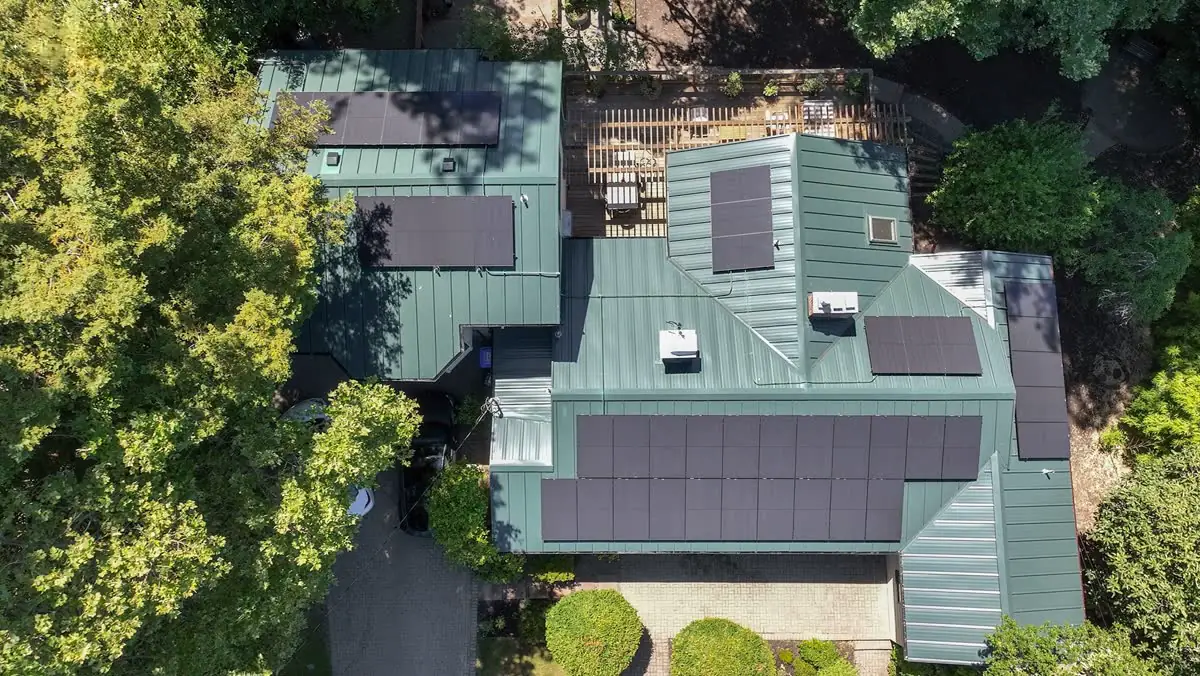
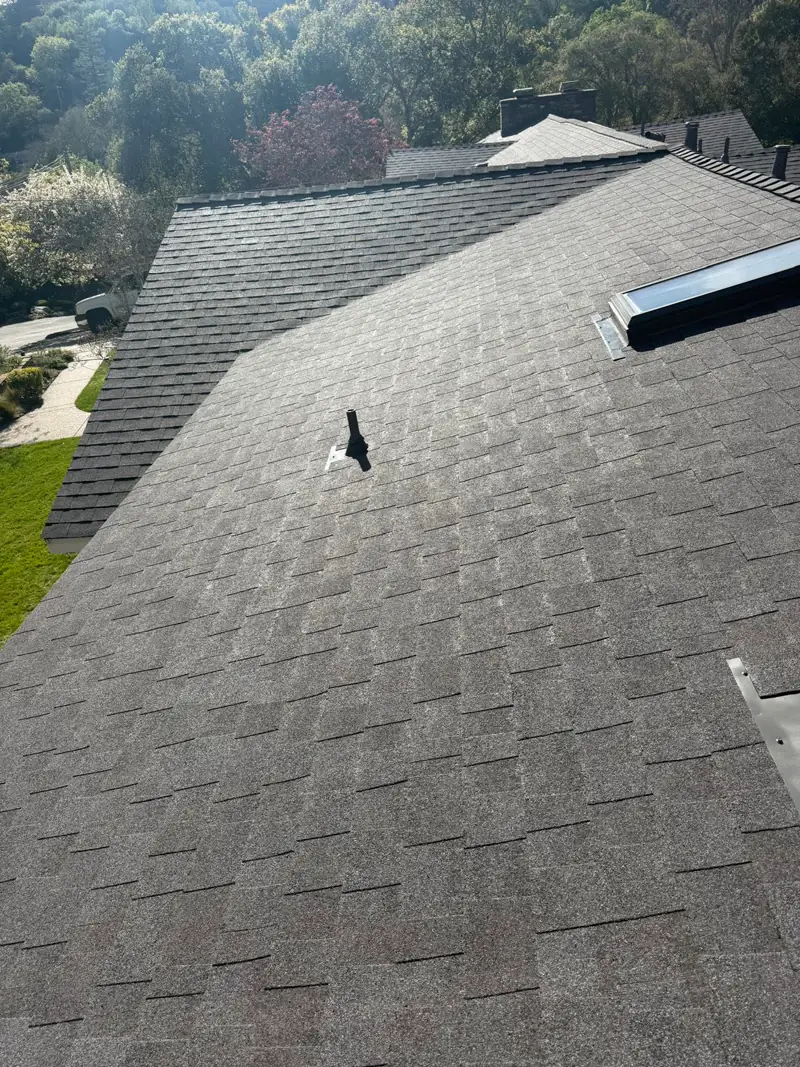
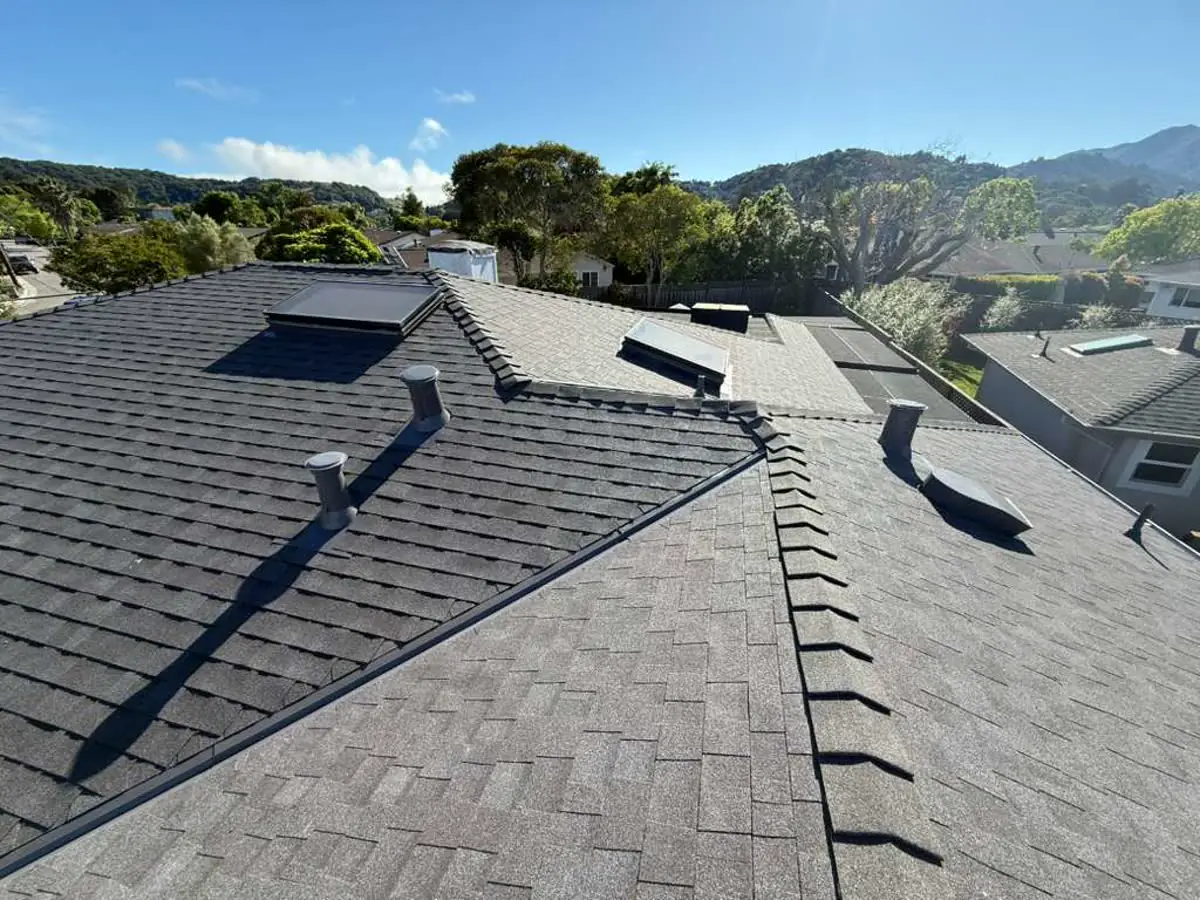
Year workmanship warranty in writing, and it comes on top of the manufacturer's warranty for your materials.
We file every permit and build to the Florida Building Code. You don't fill out a single form.
We haul away the old roof and run a magnetic sweep for nails, so the yard looks the way it did before we came.
Florida certified roofing contractor CCC1336568, carrying liability insurance and workers' comp.
Monthly payment options, so you can replace the roof now and pay over time.
Roof Leak Repair Questions in Clearwater
My Roof Only Leaks When the Wind Blows from the Gulf. Why?
Rain that comes in sideways can get under a shingle edge or behind flashing that stays dry in a straight-down rain. That's a classic sign of a lifted edge, a short piece of flashing or a gap at a wall, on the side of the house facing the wind.
The Ceiling Stain Is in the Middle of the Room. Where's the Leak?
Probably uphill from it. Water runs along the underside of the decking and the framing before it drips. We look in the attic and on the roof above the stain and work up the slope from there.
Can a Roof Leak on a Sunny Day?
Not from rain, but something else can look like one. A clogged air conditioning drain line or condensation in a poorly ventilated attic can wet a ceiling with no storm in sight. We check for those first.
What Should I Do Until You Get There?
Catch the water, move what you can, and if the ceiling is bulging, poke a small hole at the low point so it drains into a bucket instead of coming down. Then photograph everything, inside and out from the ground.
Do Leak Repairs in Clearwater Need a Permit?
The city exempts only a very small leak repair under $500. Larger repairs need a permit, which we pull in our name. Clearwater addresses outside city limits follow Pinellas County's rules.
If a Storm Caused the Leak, Will You Deal with My Insurance?
We'll fix the leak and give you a documented inspection with photos to share with your insurer. The claim itself stays between you and your insurance company.

Get Your Clearwater Roof Measured, Free.
Enter your address. We'll handle everything else.